Optimal Timing for Installing Chicken Wire Fencing
Determining the optimal timing for installing chicken wire fencing involves considering seasonal weather patterns, soil conditions, and project scope. Proper timing ensures ease of installation, durability, and effectiveness in containing poultry or securing property boundaries.
Spring and early fall are preferred due to moderate weather, which facilitates easier handling of materials and reduces delays caused by extreme temperatures.
Avoid installation during heavy rain or snow, as moisture can hinder setting of posts and cause delays. Dry, mild conditions promote better soil stability and wire attachment.
Timing installation when soil is not overly wet or frozen allows for easier digging and secure anchoring of posts.
Planning ahead during favorable weather minimizes disruptions and ensures the fencing is properly installed before adverse conditions set in.
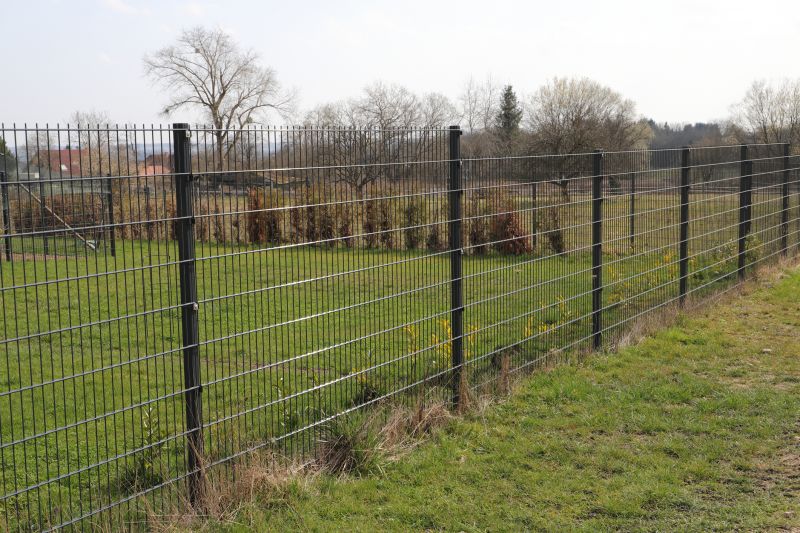
Spring offers mild weather ideal for setting up chicken wire fencing with minimal weather-related issues.
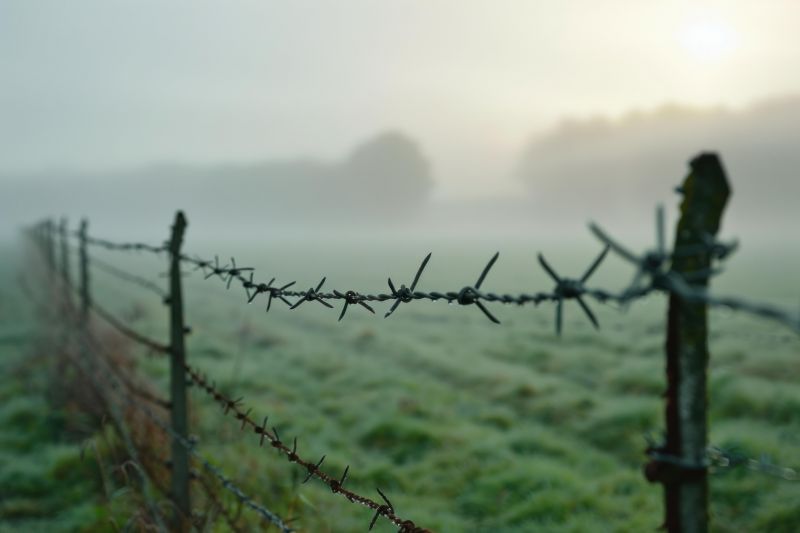
Summer provides dry conditions, but high temperatures may require early morning or late afternoon work.
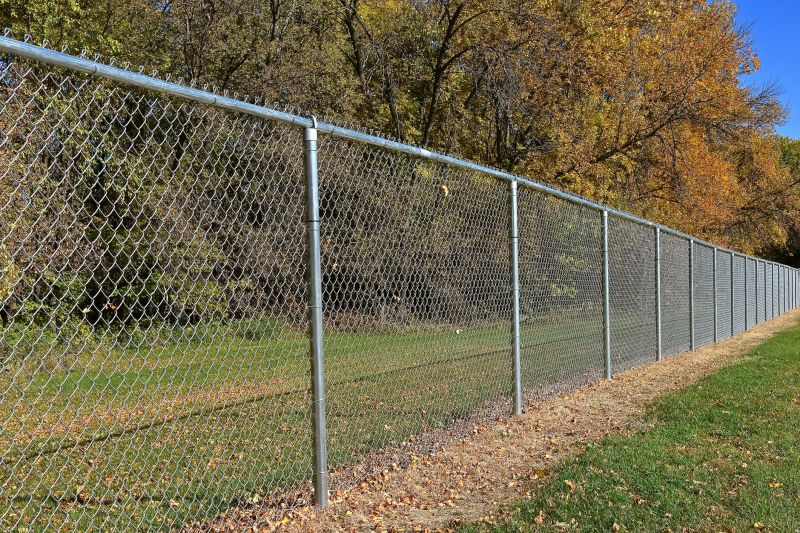
Autumn allows for installation before winter, with cooler temperatures aiding in work comfort.
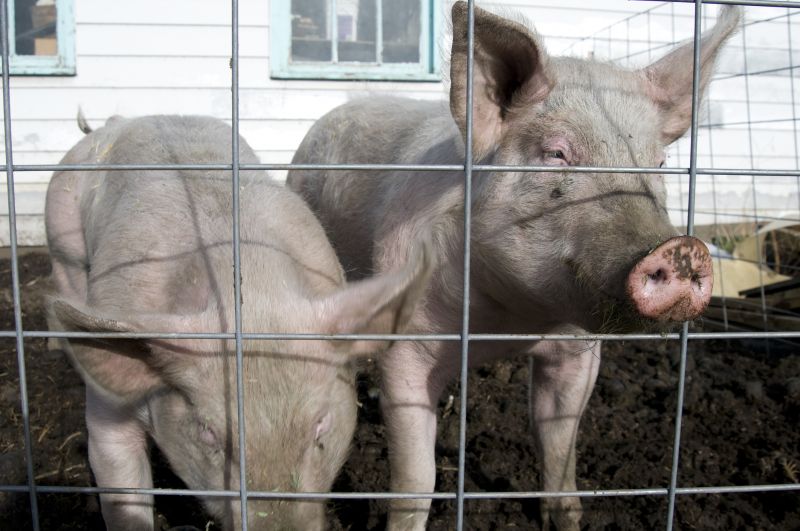
Ways to make Chicken Wire Fencings work in tight or awkward layouts.
Popular materials for Chicken Wire Fencings and why they hold up over time.

Simple add-ons that improve Chicken Wire Fencings without blowing the budget.
| Season | Advantages |
|---|---|
| Spring | Moderate weather, ideal soil conditions, easier handling |
| Summer | Dry conditions, longer daylight hours |
| Autumn | Cooler temperatures, pre-winter setup |
| Winter | Not recommended due to frozen ground and harsh weather |
Chicken wire fencing is a popular choice for enclosing poultry, gardens, and small livestock due to its affordability, ease of installation, and durability. Made from galvanized steel or coated wire, it offers resistance to rust and weathering, ensuring longevity in outdoor environments. The mesh size can vary, allowing for customization based on the specific needs, such as preventing predators or containing small animals. Proper installation involves securing posts at regular intervals and ensuring tension across the wire to prevent sagging or gaps. The versatility of chicken wire makes it suitable for various applications, from simple garden enclosures to complex farm boundaries.
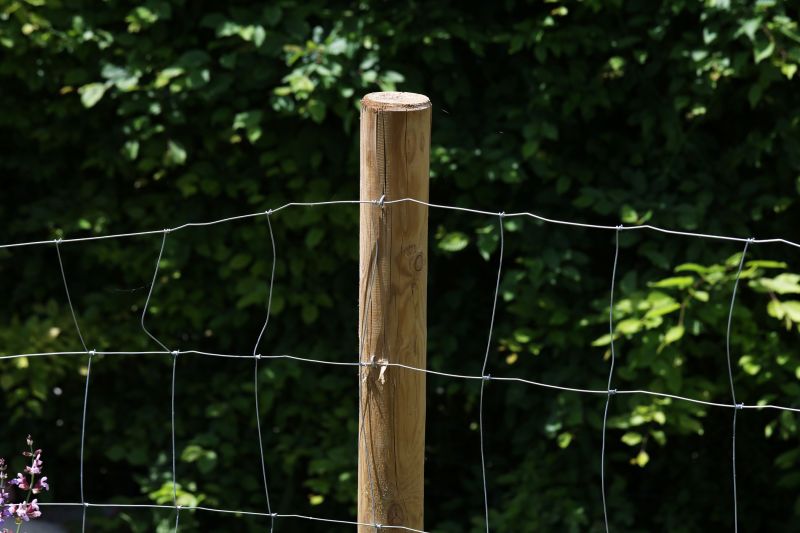
Installation involves securing wire to posts with staples or ties for a sturdy enclosure.
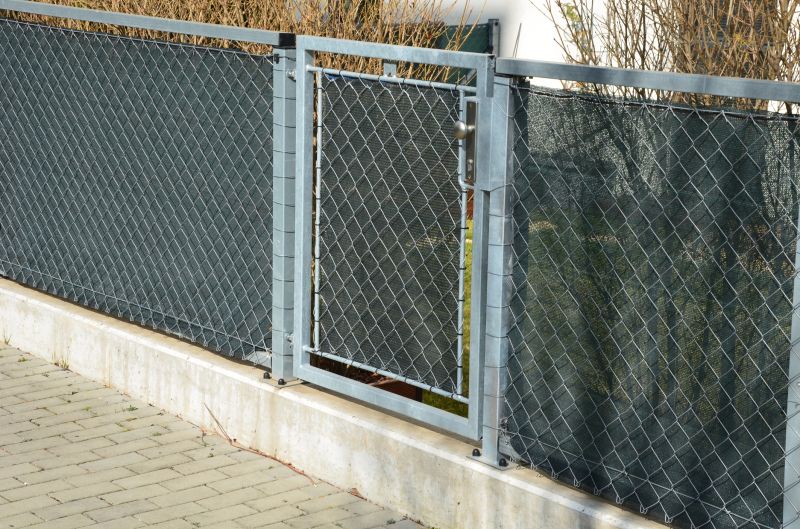
Galvanized wire provides corrosion resistance and long-term durability.
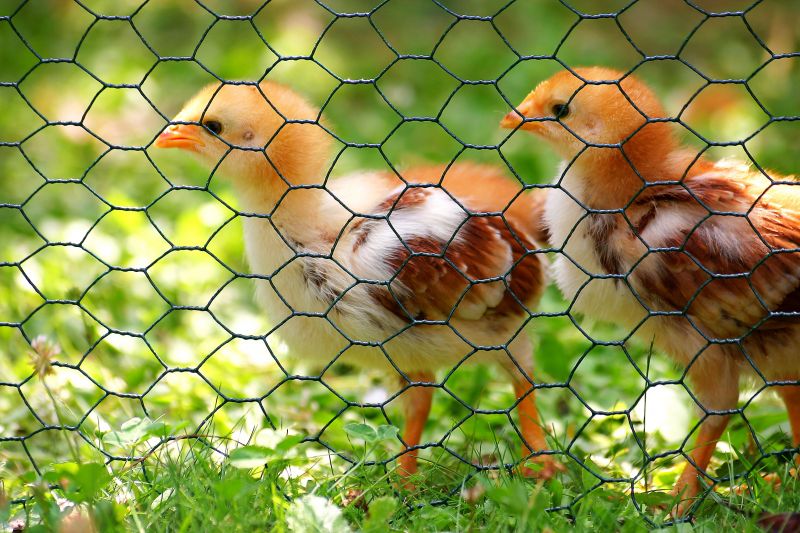
Chicken wire effectively contains poultry while allowing ventilation.
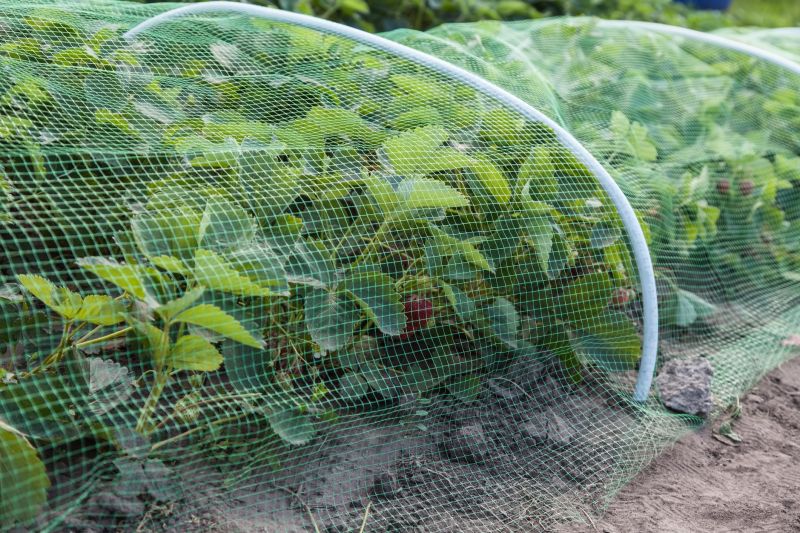
Used to protect gardens from small animals and pests.
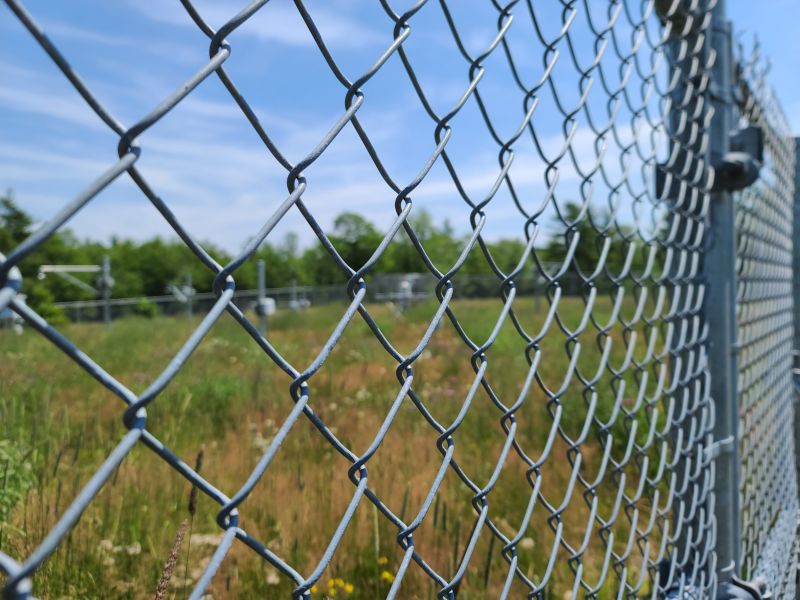
High-end options that actually feel worth it for Chicken Wire Fencings.
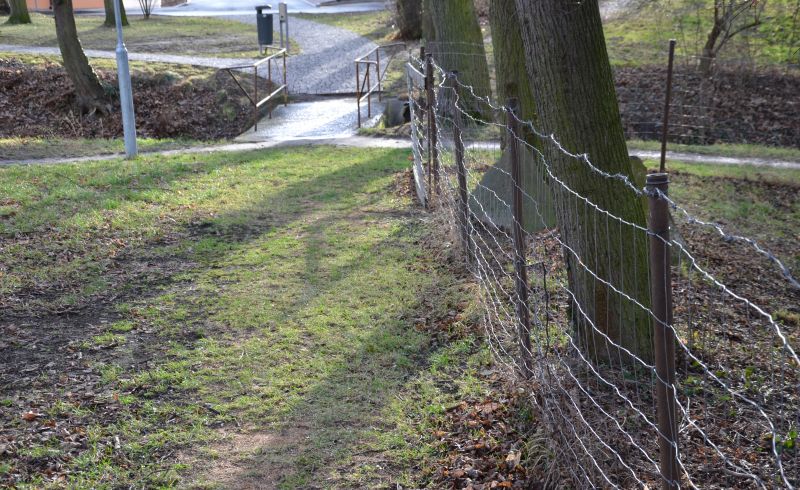
Finishes and colors that play nicely with Chicken Wire Fencings.
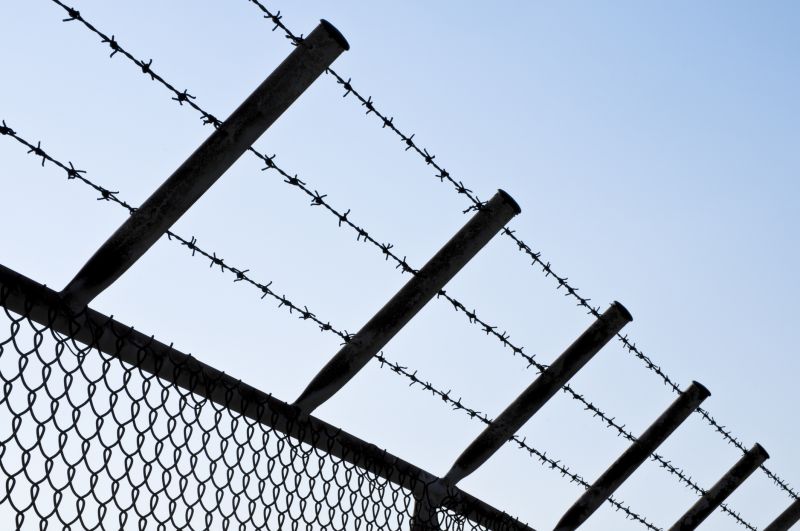
Little measurements that prevent headaches on Chicken Wire Fencings day.
A 60-second routine that keeps Chicken Wire Fencings looking new.
Interested in installing chicken wire fencing? Filling out the contact form provides an opportunity to discuss project details, receive guidance on best practices, and obtain tailored solutions suited to specific needs.